
How to Create a Memory Book for Your Loved One in Memory Care
When a loved one is living with Alzheimer’s disease or another form of dementia, maintaining that sense of identity and connection is more important than any of us realize. You may have plenty of materials handy to create a memory book. It consists of a personalized collection of photos, stories, and reminders that can spark that comfort, recognition, and joy for your loved one.
Such memory books can be used as a tool for supporting emotional well-being and daily engagement in a memory care setting.
Such simple and powerful resources can help your loved one connect with familiar faces, cherished moments, and their own life story. What can you include in a memory book designed for your loved one? That’s entirely up to you.
What Is A Memory Book?
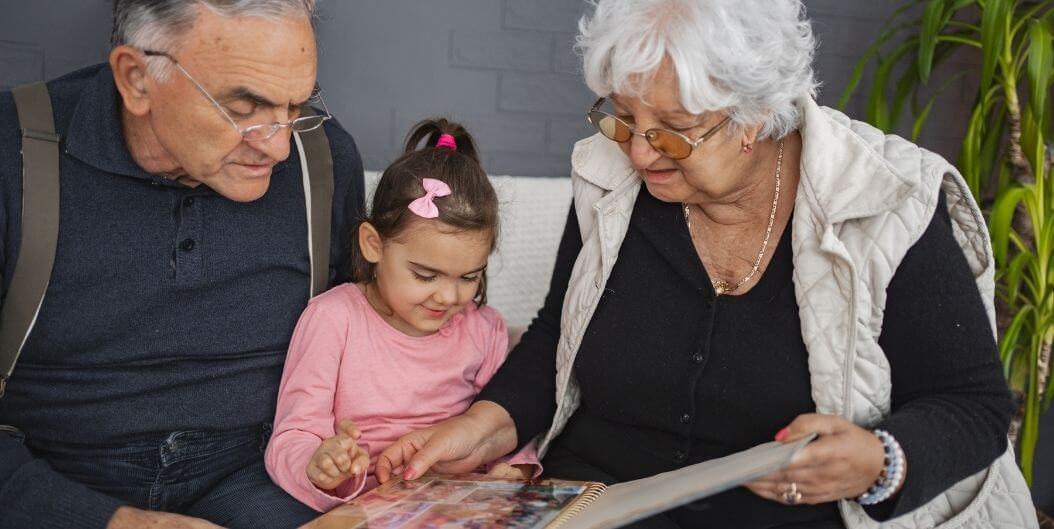
A memory book is a visual and written collection of information that is considered important and notable to your loved one’s life. You can design it in something that is easy to understand, comforting to look at, and accessible for them even if they’re facing cognitive decline. A typically memory book can look like this:
- Photos of family members and friends
- Important life events and milestones
- Simple descriptions of relationships
- Favorite activities, foods, and hobbies
The goal of the memory book is not creating a detailed biography. Instead, it’s something that is clear and comforting for your loved one so they feel grounded and connected each time they look through it.
Why Memory Books Are So Effective
Your loved one’s short-term memory may fade. Yet, the long-term memories can remain accessible. For this reason, a memory book can be put together so that it bridges that gap, which features visual cues and gentle reminders. The benefits of a memory book are as follows:
- Reducing anxiety and confusion
- Reinforcing a sense of identity
- Encouraging conversation and interaction
- Supporting recognition of loved ones
Your loved one’s caregivers and staff can even use the book as a tool to help better understand and connect with your loved one. Something so small can be powerful while serving as a conversation piece.
Start With the Most Important Information
When you create a memory book, remember that simplicity is key. Begin creating the memory book with the most essential details that will be most helpful to your loved one. These can include details such as:
- Their full name or preferred nickname
- A simple family tree or relationship guide
- Names and photos of close family members
- Current living situation (where they are and who assists them)
It’s important that you use clear, easy-to-read language while avoiding overwhelming the pages with too much information. The simpler and clear it is, the better your loved one will understand.
Use Photos to Tell the Story
Photos are considered one of the most powerful elements of a memory book. They provide your loved one with instant visual recognition and trigger those emotional connections. As you consider adding photos to the memory book, you may want to follow these important tips:
- Label each photo with names and relationships
- Choose clear, high-quality images
- Keep your layouts simple and uncluttered
- Use recent photos along with meaningful older ones
Let’s say a page is dedicated to you. You can include photos of you, even in your younger years. You can tell your loved one who you are and that they love visiting them and spending time at the Main Street space where they can sit, relax, and engage with what the space offers.
Highlight Meaningful Life Moments
You’ll want to include key life events that can help your loved one be able to reconnect with their personal history. These include those moments that hold an emotional significance. Consider adding the following:
- Wedding photos and family milestones
- Favorite vacations or places
- Career highlights or achievements
- Special traditions or celebrations
Make sure that you keep the descriptions short and positive. Also, be sure to focus on what made each moment meaningful. As you talk about these moments, your loved one can be able to go back to those special days that mean so much to them. Don’t be surprised when they smile, laugh, or even shed a few tears.
Ready to Create Meaningful Moments for Your Senior Loved One? Help Them Transition to Bristol Park Memory Care at Conroe
Creating a memory book can be one of the most meaningful ways to support your loved one’s emotional well being and help them stay connected with their identity. At Bristol Park at Conroe, you can work with your loved one’s care staff to help make that ongoing support happen. This way, your loved one can use the memory book as a tool that will spark that joy and comfort they need daily.
Want to learn more about our community and what we offer? Contact us today to set up a tour.