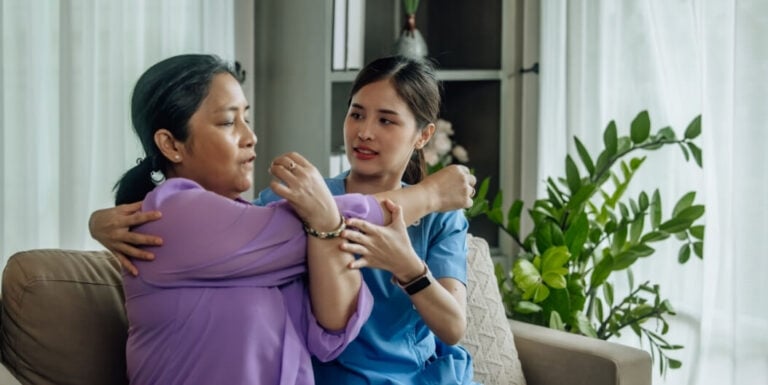

How Can Staff and Family Partner Together for Resident Well-Being in a Memory Care Home?
When your beloved family member moves into a memory care community, families feel many emotions. Relief and worry often come together. You want them safe and comfortable. You want them cared for by the new community members. But you also want to remain part of their life.
The good news is that staff and families do not work apart. In a memory care home, they work together. The best outcomes happen when both join hands. This partnership creates a circle of support. Your loved one can feel the comfort, peace, and stability of mind with this partnership.
This article will reveal how this partnership works and why it is so important.
Why Collaboration Matters in Memory Care
Memory loss changes how your loved one experiences the world. Small details matter. A familiar face can calm them. A favorite song can spark joy. Gentle words can bring reassurance.
Families know these personal details best. Staff bring professional skills and structured care. Both come together and form a team to provide support and care to the memory care senior resident.
A combination of these two strengths provides supportive feelings to your loved one. They get comfort from what feels familiar. They also get safety from expert care. This balance creates trust. It also helps reduce confusion and stress.
Communication Builds Trust
One of the most important steps in collaboration with employees is open communication. The family knows the story, the preferences, and the routines of their loved ones. Sharing these details helps to connect caregivers in a personal way.
Sharing Life Stories
Staff can adjust care when they know more about your loved one. A favorite song may brighten their mood. A beloved hobby can spark interest. Even a food preference can bring comfort. These details build stronger bonds. They also reduce feelings of disconnection.
Staying Informed
Regular updates matter too. The family wants to know how their dear person is doing every day. Meetings, phone calls, or digital updates provide security. They also help you engage with your senior loved one, even when you can’t travel often.
Creating Consistent Routines
Routine brings comfort for someone with dementia. Families often notice which times are best for meals, activities, or rest. Sharing this with staff creates consistency.
For example, if your family’s senior person prefers a quiet morning, later activities can be planned. If they like to arrange clothes or set the table, employees can add these roles during the day. These routines may seem small. But they bring stability. They also protect dignity.
Families Play a Role in Emotional Support
While staff give daily care, families bring comfort in a special way. Your voice, touch, and presence reduce confusion. They also ease the anxiety of your loved one.
The Power of Visits
Short and regular visits matter a lot. Regular visits show your loved one they are not forgotten. Familiar faces bring calmness, with which the recognition often follows. These visits also build trust with staff. You feel that you are providing care to your loved one in a true partnership.
Celebrating Together
Families can join in events. Birthdays, holidays, or music sessions feel better with loved ones. Shared moments bring joy. They create memories for residents and families alike.
Respecting Each Other’s Roles
Sometimes, families worry about “letting go” of daily caregiving. It can feel hard to trust staff with tasks you once managed. But partnering does not mean stepping back. It means sharing the load.
Staff are trained in dementia care. They understand safety and health needs. Families bring history and personal knowledge. They also give emotional support and act as advocates.
Together, both sides cover every need. Physical care is provided. Emotional comfort is preserved. This balance gives your loved one the best quality of life.
Respecting each role builds trust. It also strengthens the care circle. When trust grows, stress decreases. Families can focus more on love and connection.
Building a Community of Care
A senior resident community, which is based on memory care, does not focus only on creating a caretaking environment. It is a home. Staff, residents, and families form a small circle together. When families stay engaged, life feels warmer. Connections grow stronger. This approach reduces isolation for residents. It also gives families peace of mind. You know your loved one is supported by many caring hands. You can spend more time enjoying their company. You worry less about daily tasks.
Worried About the Care and Comfort of Your Loved One with Memory Loss? Explore How Partnership Creates Comfort and Care at Bristol Park Conroe
It is difficult to take care of a dear one with Alzheimer’s or dementia. No family can face it alone. In a memory care community, staff and family work together. This partnership creates the best path forward. It provides consistency. It brings reassurance and also preserves dignity.
At Bristol Park Assisted Living & Memory Care in Conroe, a compassionate team supports families every step. Staff and families create personalized care plans. Daily routines match each resident’s needs. Structured activities add comfort. Family involvement adds love. Together, these efforts bring peace and calmness.
So what are you waiting for? Schedule a tour today and see how Bristol Park Assisted Living and Memory Care in Conroe creates a nurturing environment where staff and families truly partner together.